Skip to resources
briefz.biz

The designer’s watchlist

A little inspiration.
A lot of possibility.

Good design takes practice. These free YouTube picks will help you build your eye, find your process, and share what you make.

Find your next watch

7 videos · 5 channels · Pick one, then make something.

01

Build your design eye

Start with the fundamentals. They show up in everything you make.

Watch on YouTube

Flux Academy

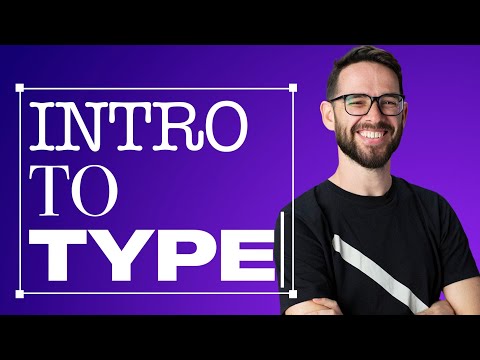
Intro to typography

Typography lesson

An introduction to choosing and using type for the web. Useful for bringing more intention to your next layout.

Try this with your briefMake a type-only version of your brief using a heading, subheading, and body style.

02

Make your process stronger

Learn how to talk about your work and get useful feedback.

Watch on YouTube

Femke

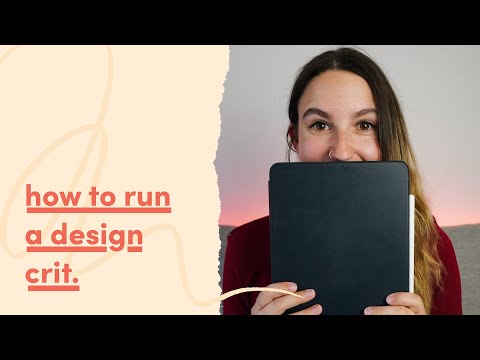
How to get design feedback

Design critique

An approachable look at informal design critiques and getting feedback from other designers.

Try this with your briefShare a rough draft with a specific question about what you’re trying to improve.

03

Put your work out there

Turn a practice project into something you can share with confidence.

Start here

Got a brief.
Now what?

You don’t need to solve everything. Just give yourself a good next step.

01Make the brief your own

Choose who you’re designing for, what they need, and one thing you want to practice. A brief is a starting point: you can adjust it. Write down your assumptions so you know what still needs checking.

Try: “I’m designing a café menu for commuters. I want to make the options easy to scan.”

02Keep the project small

Pick a finish line before you open your design tool: one poster, a logo with two applications, or a short app flow. Give yourself a time limit you can actually keep. You can always build on it later.

Try: one menu, two rough directions, and an afternoon to choose and refine one.

03Explore, then get feedback

Sketch a few different directions before polishing one. Ask someone what they notice first and what’s unclear. For an interface, give them a task and watch where they get stuck. Revise one specific thing based on what you learn.

Try: “Find a coffee and a snack for under $10.” Watch before explaining your design.

04Show your decisions

Save your early ideas, explain why you chose a direction, and show what changed after feedback. Label it as a self-initiated practice project. Be honest about what you tested and what you’d still want to learn; don’t invent client work or results.

Try: a short case study with the brief, your approach, the final design, and one lesson learned.

Learn a little. Make something.

The next step is a blank canvas and a brief that sparks an idea.

Find your next brief